Nutrition Basics
Going back to the nutrition basics is important for us to be able to understand how to nourish our bodies correctly. Understanding the essentials will put you in a better place to learn more advanced information. For some of us, this may just be a refresher, but for others, this is a good starting point or “Nutrition 101”
At the foundation of nutrition are nutrients. The food that we eat is composed of nutrients which can be broken down into two subgroups: Macronutrients and Micronutrients. These two groups make up all of the foods that we eat.
Macronutrients
So the term “macro” means “large-scale,” or “big.” Think of macronutrients as the main nutrients that make up the framework of our foods. Macronutrients are again divided into subgroups, carbohydrates, protein, and fat. Macronutrients provide important roles in helping our bodies to function. A balanced diet includes all your macronutrients.
Carbohydrates are starches and sweet foods. Starches include bread, pasta, rice, tortillas, flours, and other grains. We must also consider starchy vegetables as carbohydrates. They are white potatoes, sweet potatoes, beans, corn, butternut, and peas. Carbohydrates of course also include anything that tastes sweet and contains sugar such as cakes, cookies, pastries, candy, as well as fruits.
Carbohydrates are most commonly known as being a fuel source for the body. This means that they provide the energy that we need to perform basic physiological functions and be active during the day.
Carbohydrates should preferably be eaten in their “whole” form, meaning whole grains, brown rice, beans, fruits, and vegetables. This doesn’t mean that you should never eat sweet foods, but rather have them occasionally and in moderation.

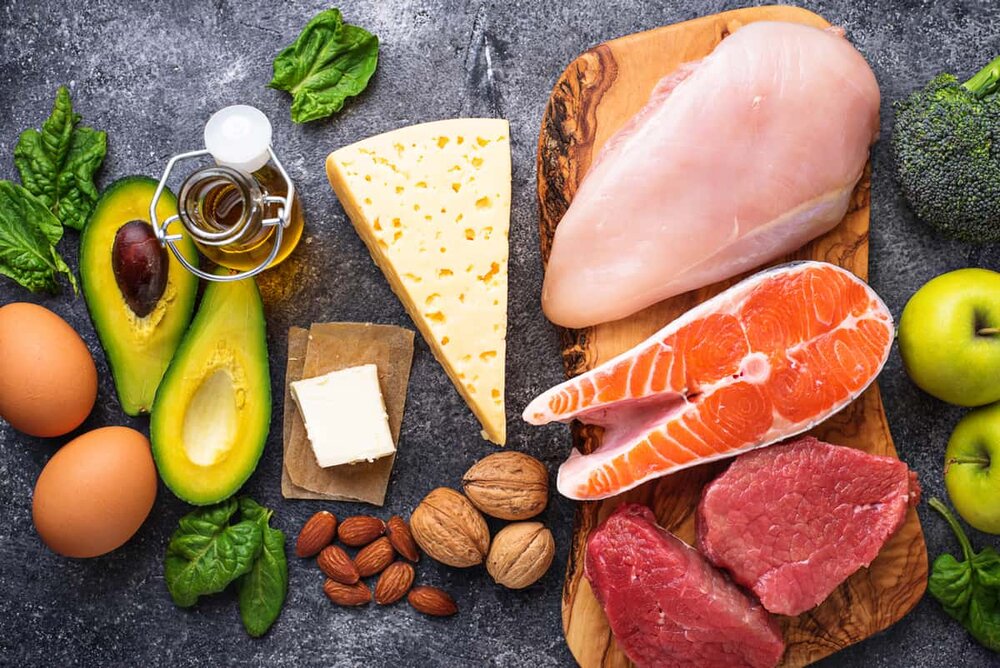
Protein is a macronutrient found in the highest concentrations in animal products such as meat, dairy, and eggs. The building blocks of protein are amino acids. Although there are more amino acids in nature, our body utilizes 20. Of that 20, approximately 9 are essential meaning that our body cannot create them out of other compounds and must take them in from food sources. Animal products contain all of the essential amino acids required and are therefore considered “complete” proteins.
Most plant-based foods have some level of protein. Plant-based foods high in protein include legumes lentils, beans, soybeans (and soy products like tofu and soy milk), nuts, and seeds. Plant-based proteins are not complete proteins (except for soy) as they lack some of the essential amino acids. However, a complete protein can be made up by combining different plant protein sources.
Protein is essential to build and maintain lean body mass (muscle) as well as skin, healing bodily tissue, synthesizing chemicals and hormones, support the immune system, as well as many other functions performed throughout the body.

Fats. Fats play a very important role in our body. From lining our cell walls and protecting our internal organs, to assisting in hormone production, it is imperative that we incorporate fat into our diet on a daily basis. Fats are found in many foods such as butter, oils, meats, fatty fish, dairy, nuts, seeds, coconuts, avocados, and other foods.
Fats can be broken down further into saturated and unsaturated fat. Saturated fat is predominantly found in animal food sources and unsaturated fat is found in plant sources and fish.

Micronutrients
“Micro” means “small.” Micronutrients are small nutrients within our food adding nutritional quality. Micronutrients are divided into two groups: Vitamins and Minerals.
Vitamins, such as A, B, C, D, E, and K, play a vital role in most bodily functions. They are required for normal growth and overall health. Our body does not make vitamins, so it is important that we get them in through food by eating a varied diet consisting of a wide array of colors.
Minerals such as sodium, calcium, iron, phosphorus, potassium, magnesium, zinc, copper, and others, are compounds found naturally in foods that we consume. Like vitamins, it is important to eat a large variety of foods to make sure that we are getting a nice variety of these minerals.

Now that you know the nutrition basics of what macro and micronutrients are, it will set you up to further your education on nutrition.